In the first article of this Computer Vision series, I mapped out the landscape of computer vision at the edge; what industrial sites are actually trying to detect, and why processing data close to the source matters so much in mining, energy, and Agtech environments. I closed with a warning: most computer vision deployments fail before the first model ever runs, not because of the algorithms, but because the cameras and sensors don’t survive the environment they’re dropped into. That’s the layer we’re unpacking here with self-cleaning industrial cameras, through one of the hardware partners Axceta relies on to solve it: ExcelSense.
— Francis Latulippe, CTO, Axceta

In the push toward industrial digital transformation, the success of any automation or teleoperation initiative rests on one critical factor: the reliability of sensor data. Even the most sophisticated AI and remote-monitoring platforms are rendered useless if their “eyes” are blinded by the harsh realities of the industrial environment.
Axceta is leveraging ExcelSense’s maintenance-free self-cleaning camera technology as part of its industrial data and automation solutions. By combining advanced industrial hardware with cutting-edge data solutions, we are helping companies move beyond traditional limitations into a safer, more automated future.
Solving the “Dirty Data” Problem at the Source
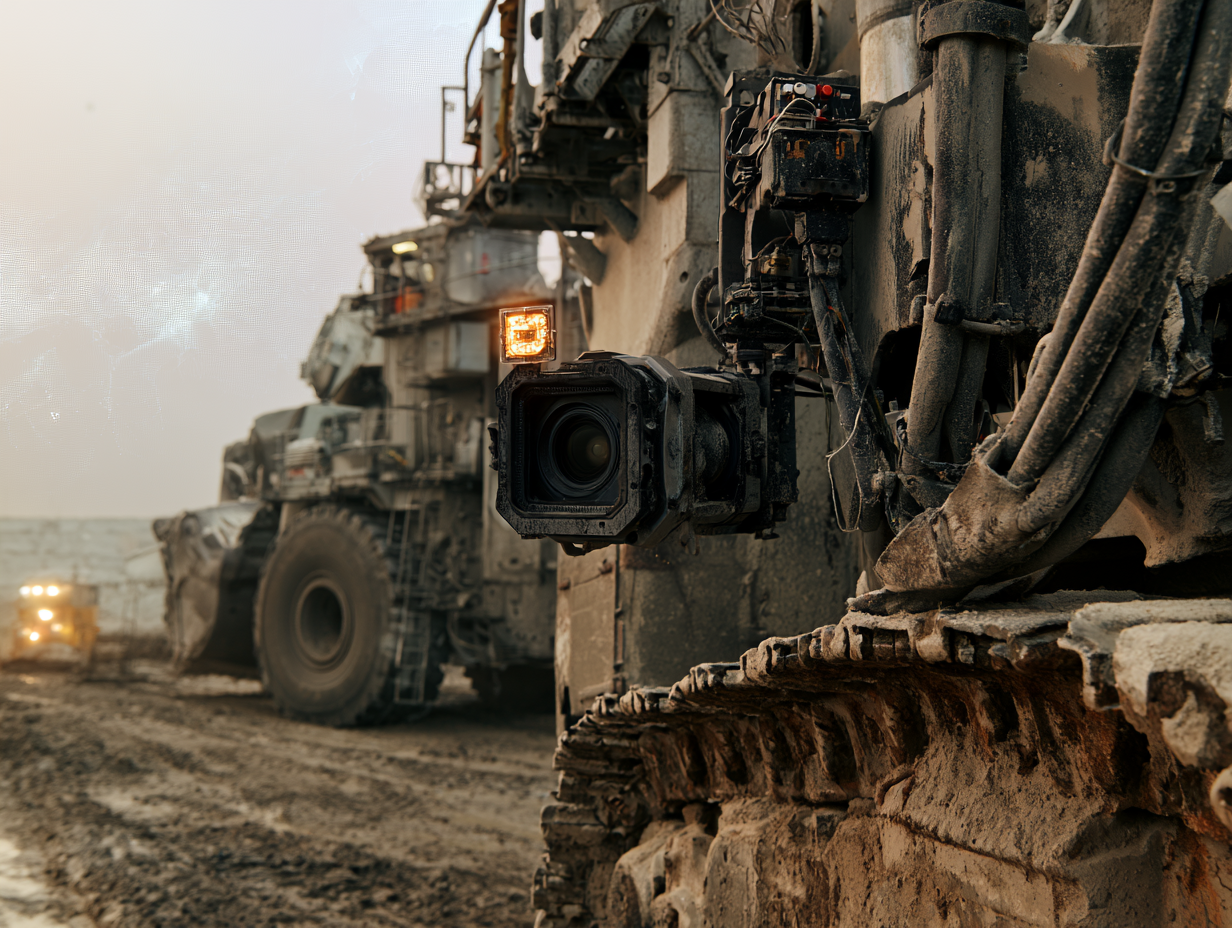
Modern industrial sites, from mining pits to steel mills, are notorious for extreme conditions involving mud, oil, extreme temperatures, and corrosive materials. These factors often make traditional monitoring impossible because sensors become instantly contaminated and ineffective.
ExcelSense addresses this with the world’s most advanced self-cleaning cameras and optical shields. This technology ensures that “mission-critical” monitoring remains constant, providing the clean data stream necessary for automation and teleoperation to function safely and effectively.

The Triple Bottom Line: Safety, Cost, and Efficiency
The impact of ensuring clear visibility in extreme environments is measurable across what we call the “triple bottom line”:
- Unmatched Safety: Simply put, clear visibility = safer operations. In one Canadian mining operation, the deployment of ExcelSense’s maintenance-free self-cleaning cameras on a fleet of haul trucks completely eliminated all reversing incidents within a single year.
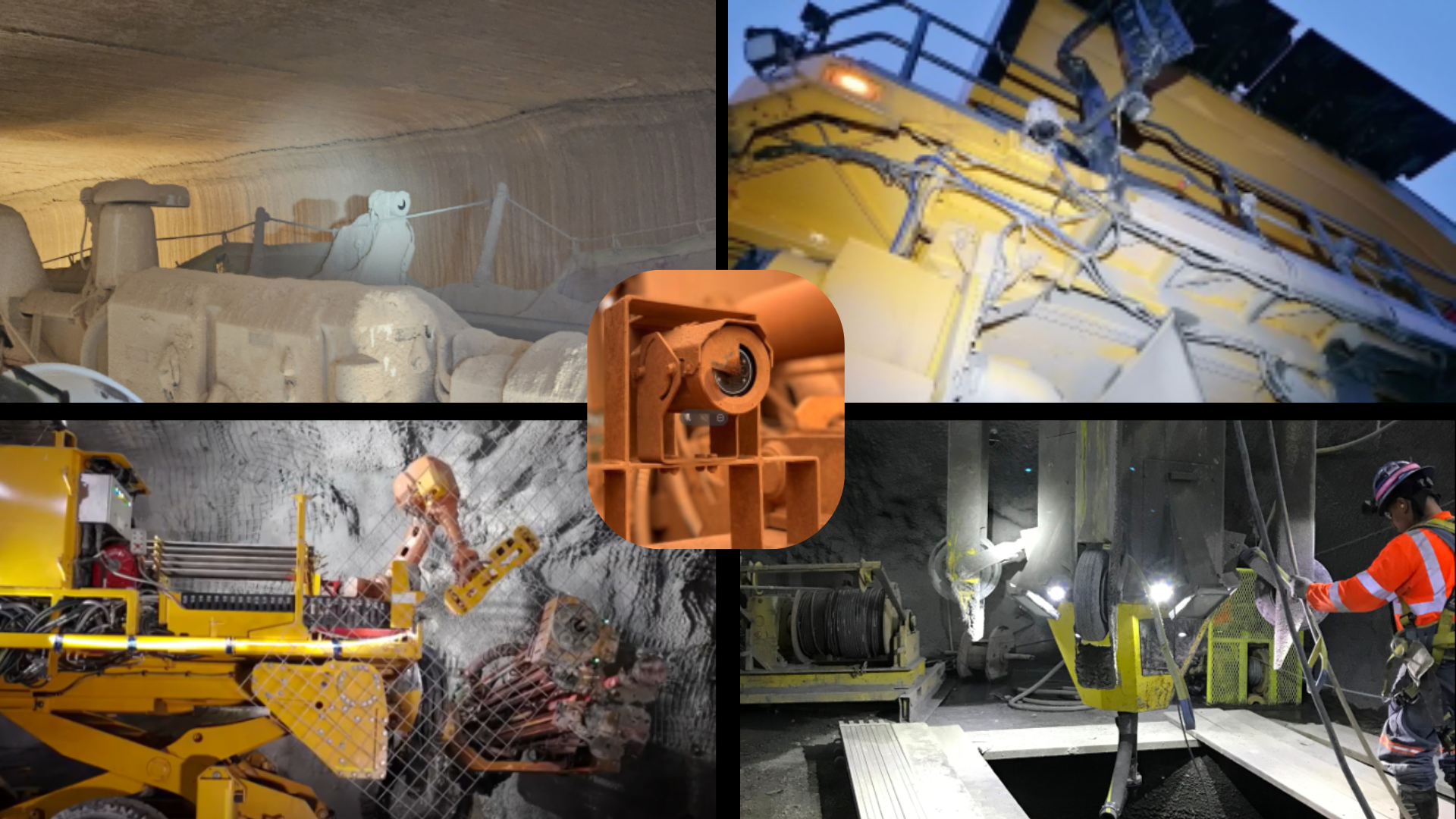
- Reduced Downtime: By maintaining visibility across mobile fleets and in critical process areas such as flotation cells, crushers, and conveyor belts, operators can monitor for issues that could lead to lengthy shutdowns or catastrophic failure if left undetected. Spotting these signs early means they can be addressed during planned maintenance intervals, significantly reducing unplanned outages and downtime.
- Lower Operational Costs: Combining ExcelSense’s rugged self-cleaning sensor technology with Axceta’s advanced image analytics capability results in valuable insights into critical process areas, as well as enabling new opportunities for automation and remote control; real world improvements that increase productivity and reduce operational costs.

According to Jim Brasset, Director of Direct Sales for ExcelSense Technologies,
“More than ever, miners, operating companies, and OEMs are looking for improvements that deliver a triple bottom line; improve safety, reduce cost, and reduce downtime. And that’s exactly what our technology delivers.” Jim Brasset, Director of Sales, ExcelSense.
Unlocking New Capabilities
Reliable visual data is unlocking capabilities once considered impossible. Major global OEMs have already adopted these self-cleaning systems as standard equipment for their autonomous and teleoperated fleets. Whether it is managing process quality in steel manufacturing or enabling teleoperation in remote mining sites, this “invisible shield” is the key to unlocking the next level of industrial innovation.
“At Axceta, we know that the tech value chain is only as strong as its foundation: high-quality, reliable data. For industries moving toward automation and teleoperation, that data begins with clear visibility in the field. By partnering with innovators like ExcelSense, we ensure that the critical ‘eyes’ of the operation remain clear in even the most contaminated environments, allowing us to turn raw visual information into the actionable intelligence that drives smarter, more resilient industrial operations.” Sherif Zaroubi, Axceta CEO.
Key Use Cases
- Mining Operations:
- Mobile Equipment: Used for backup cameras and blind spot coverage on haul trucks. One Canadian client eliminated all reversing incidents within a year of deployment.
- Autonomous Fleets: Major global OEMs have adopted these products as standard for autonomous haul trucks, teleoperated dozers, autonomous underground LHDs, and more.
- Processing Plants: Applied in areas such as crushers, vibrating screens, conveyor belts, and flotation cells.
- Extreme Environments: The cameras operate in conditions including mud, abrasive dust, frost, oil, grease, and bitumen.
- Other Industries: The technology is also used around the globe in cement, concrete, and aggregates, as well as steel and aluminum manufacturing for safety, quality management, and enabling remote operations.

Axceta is proud to work with partners like ExcelSense, which provide the rugged, reliable hardware that enables our data-driven solutions. Together, we are ensuring that, no matter how dirty the job gets, the data and the future of your operation remain clear.
In the next article in this series, Francis Latulippe and Sherif Zaroubi sit down with Helene Gey to make Axceta’s core argument explicit: computer vision at the edge only creates value when the physical layer, the network, and the cloud are designed as one system. A perfectly reliable camera, like the ones in this piece, is necessary, but not sufficient on its own.
If you’re interested in learning more about IoT or if you’re seeking a partner to help implement computer vision solutions, you can reach out to us at https://axceta.com/contact/